
What Are Rabies Shots?
Rabies shots are vaccines that protect you from the rabies virus. This virus spreads through the bite or scratch of an infected animal. Because rabies is deadly, quick action is vital. Rabies shots help your body fight the virus before it causes harm. The shots are part of a treatment called post-exposure prophylaxis.
Why Are Rabies Shots Important?
Rabies is almost always fatal once symptoms appear. However, getting rabies shots soon after exposure can save your life. For this reason, doctors recommend starting treatment right away if you are bitten by an animal that might have rabies. In many regions, such as Asia and Africa, rabies risk is higher. So, knowing about rabies shots is important for everyone.
Timing of Rabies Shots
Timing is key when it comes to rabies shot timing. You should get the first shot as soon as possible after a bite or scratch. Early treatment gives the best chance of stopping the virus. If you wait too long, the virus can reach your nerves and brain. Then, the shots may not work. Therefore, always seek medical help right away after any animal bite.
Recommended Doses and Schedule
The rabies vaccine schedule depends on your situation. If you have never had a rabies vaccine before, you will need several shots. Here is the usual post-exposure prophylaxis schedule:
In addition, you may get a shot called rabies immune globulin on Day 0. This gives your body extra help to fight the virus. For those who had rabies shots before, fewer doses may be needed. Always follow your doctor’s advice for the best rabies vaccine schedule.
What to Expect During Treatment
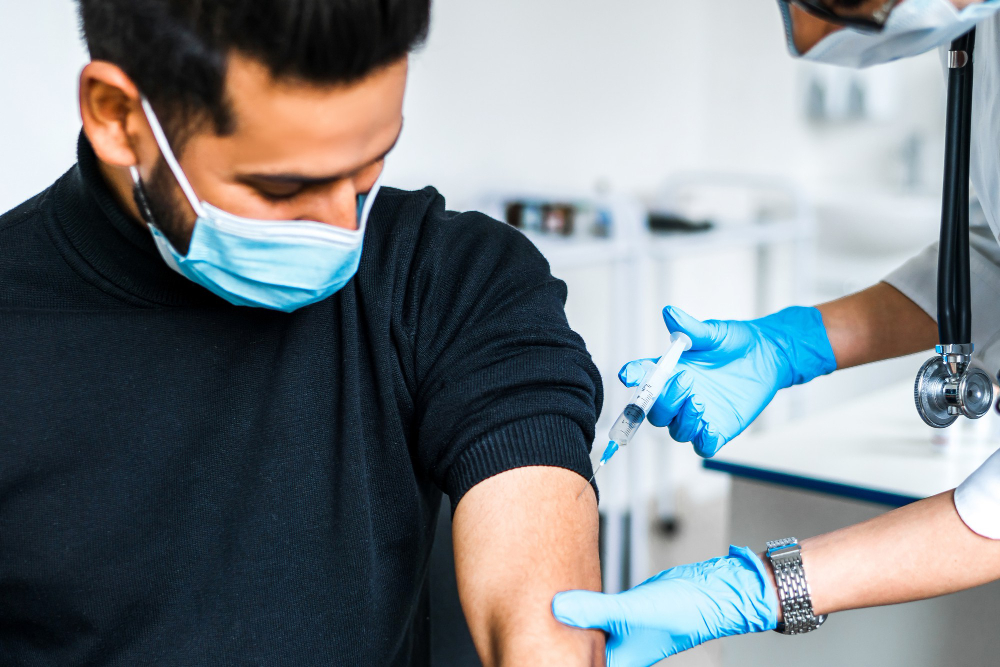
During treatment, you will get shots in your arm. Sometimes, the first shot may go near the bite wound. Each visit is quick, and you can return to normal activities soon after. However, you must complete all doses for full protection. Missing a dose can lower the vaccine’s effect. So, mark your calendar and follow the schedule closely.
Common Side Effects
Most people have only mild side effects from rabies shots. For example, you might notice:
Usually, these side effects go away in a day or two. If you have a severe reaction, such as trouble breathing or swelling, seek medical help right away. But serious side effects are rare.
Prevention and Safety Tips
Even though rabies shots are effective, it is better to prevent exposure. Here are some tips to stay safe:
In some areas, rabies risk is higher. So, take extra care when traveling or living in those regions.
When to Seek Medical Help
If you are bitten or scratched by any animal, seek medical help right away. Even if the wound seems small, rabies can still spread. Also, if you see an animal acting strangely, stay away and tell an adult or local official. Quick action can save lives. Do not wait for symptoms to appear, as rabies is deadly once they start.
In summary, rabies shots are a safe and effective way to prevent a deadly disease. However, timing and the right number of doses are key. Consult a healthcare professional promptly if you suspect rabies exposure or need guidance on vaccination.