
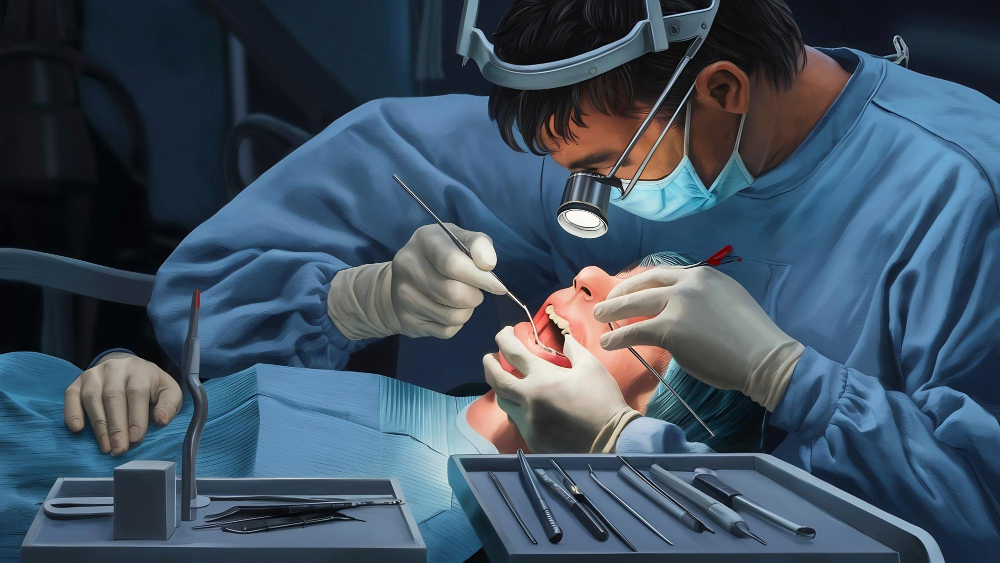
What is Maxillofacial Surgery?
Maxillofacial surgery is a type of medical care that treats problems of the face, jaw, mouth, and neck. Often, doctors call it oral and maxillofacial surgery. This field covers many treatments, from fixing broken bones to removing tumors. Because the face is so important for eating, speaking, and looks, these surgeries can help people feel and function better. Many people need maxillofacial surgery after accidents or due to health issues. If you live in a city with a hospital, you may find maxillofacial surgery in your area.
Common Conditions Treated
Maxillofacial surgeons treat a wide range of problems. Some of the most common conditions include:
Additionally, some people need surgery for cosmetic reasons, such as changing the shape of the jaw or chin.
Types of Maxillofacial Surgery Procedures
There are many oral and maxillofacial procedures. Some common types include:
For example, jaw surgery recovery may take several weeks, but many people return to normal life soon after.
What to Expect: Diagnosis and Preparation
First, your doctor will ask about your symptoms and medical history. Next, you may need X-rays or scans to check your bones and tissues. Sometimes, blood tests are needed. Once the problem is clear, your surgeon will explain the best treatment. Before surgery, you may need to stop certain medicines. In addition, you should not eat or drink for several hours before the procedure. Your care team will give you clear instructions to help you prepare.
Recovery and Aftercare
After maxillofacial surgery, recovery time depends on the type of procedure. Most people feel some pain or swelling, but this usually gets better in a few days. To help healing, follow your doctor’s advice closely. For instance, you may need to:
Moreover, regular check-ups help your doctor track your progress. If you have jaw surgery, recovery may take longer, but most people heal well with proper care.
Risks and Complications
Like any surgery, maxillofacial procedures have some risks. However, most problems are rare. Possible risks include:
Still, your surgeon will take steps to lower these risks. If you notice fever, severe pain, or trouble breathing, contact your doctor right away.
When to Consult a Specialist
It is important to know when to see a maxillofacial surgeon. You should seek help if you have:
Furthermore, if your dentist or doctor suggests surgery, do not delay. Early treatment often leads to better results. If you are searching for maxillofacial surgery in your city, ask your healthcare provider for a referral.
Prevention and Oral Health Tips
Good oral health can help prevent many problems. To keep your mouth and jaw healthy:
By following these tips, you can lower your risk of needing oral and maxillofacial procedures.
In summary, maxillofacial surgery can treat many conditions of the face, jaw, and mouth. If you have symptoms or concerns, consult a qualified maxillofacial surgeon for personalized advice and treatment options.