
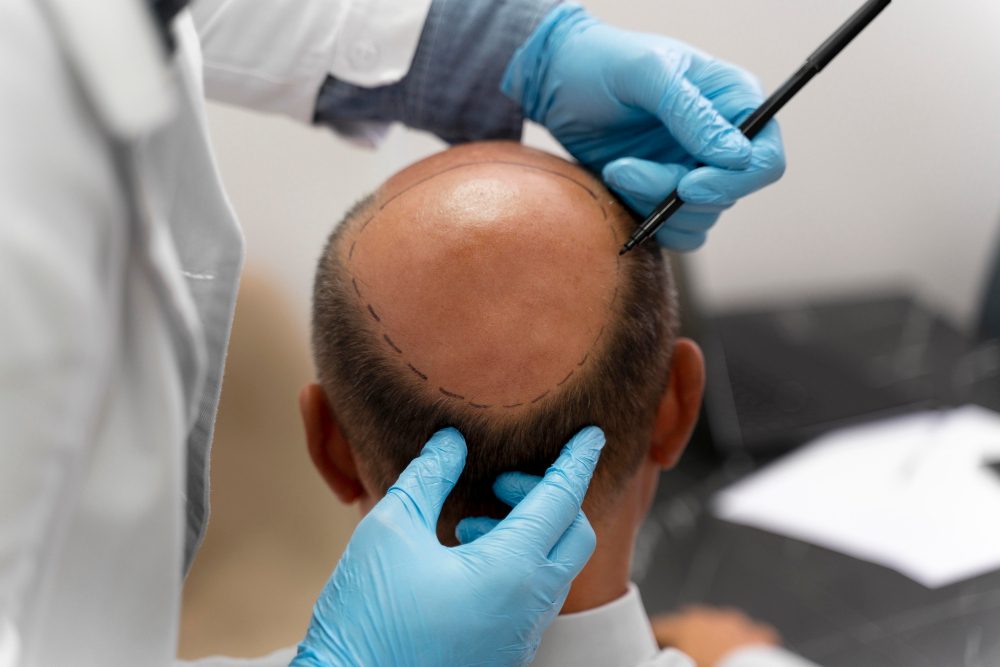
Hair transplantation is a popular solution for people facing hair loss. This procedure moves healthy hair from one part of the scalp to areas with thinning or no hair. Many people choose hair transplantation to restore their hairline and boost confidence. If you are considering hair restoration surgery, it is important to learn about the process, benefits, risks, and recovery.
What is Hair Transplantation?
Hair transplantation is a surgical method to treat hair loss. During the procedure, a doctor takes hair from a part of your scalp where hair grows well. Then, the doctor places these hairs in areas with less hair. As a result, new hair grows in the thin or bald spots. This method is often called hair restoration surgery.
Common Causes of Hair Loss
Many people lose hair for different reasons. Understanding the cause can help you choose the right treatment. Common causes include:
However, not all hair loss needs surgery. Sometimes, simple lifestyle changes can help.
Types of Hair Transplant Procedures
There are two main types of hair transplant procedures. Each has its own steps and benefits. The most common methods are:
Both FUE and FUT are safe when done by a skilled surgeon. Still, you should discuss which method suits you best.
Who is a Good Candidate?
Not everyone is a good candidate for hair transplantation. But, you may be a good fit if you:
On the other hand, people with certain medical conditions or not enough donor hair may not be suitable. Always talk to a specialist before deciding.
Step-by-Step Procedure Overview
Although each clinic may have its own steps, most hair transplant surgeries follow a similar process:
The surgery usually takes several hours. Most people go home the same day.
Benefits of Hair Transplantation
Hair transplantation offers many benefits. For example:
Moreover, results improve over time as the transplanted hair grows naturally.
Risks and Potential Side Effects
Like any surgery, hair transplantation has some risks. However, most side effects are mild and temporary. Possible risks include:
But, choosing a skilled surgeon can lower these risks. Always follow your doctor’s advice for the best results.
Recovery and Aftercare Tips
Proper care after surgery helps you heal faster. Here are some hair transplant recovery tips:
Usually, new hair starts to grow within three to four months. Full results can take up to a year.
Frequently Asked Questions
Prevention and Lifestyle Guidance
While hair transplantation can restore lost hair, it is wise to care for your scalp and hair. For example:
Early action can sometimes slow down hair loss and improve hair health.
In summary, hair transplantation is a safe and effective way to restore hair. However, it is important to understand the procedure, benefits, and risks. Consult a qualified specialist to discuss your options for hair transplantation.