
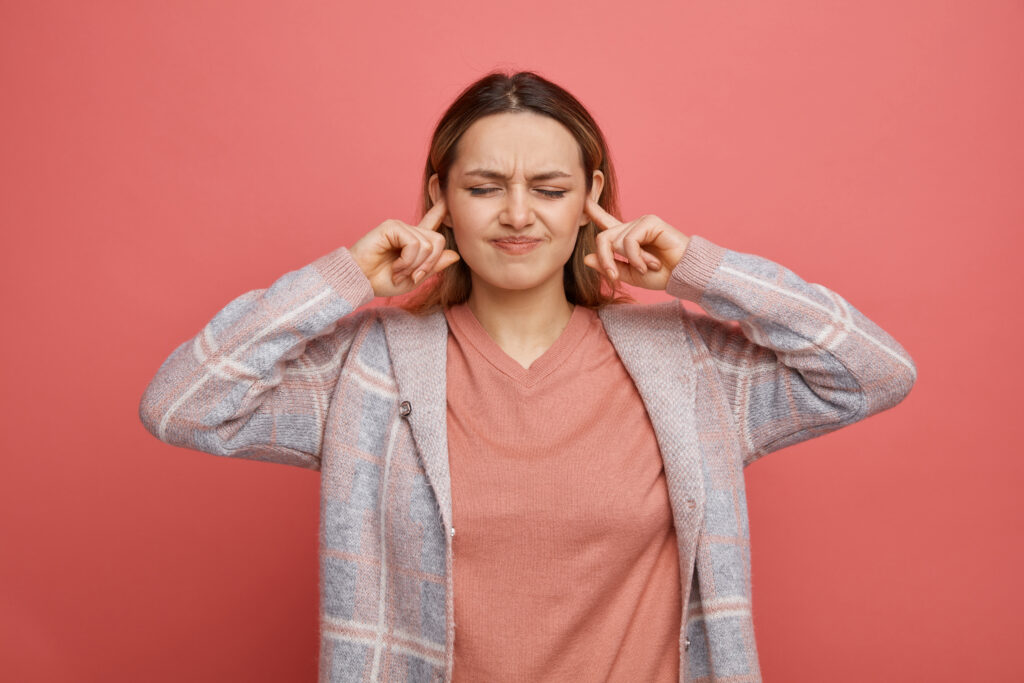
What is Earfullness?
Earfullness is a feeling of pressure or fullness in the ear. Many people describe it as if their ear is blocked or stuffed. Often, this sensation can affect one or both ears. Sometimes, it may come and go. Other times, it can last for days. Because earfullness can be uncomfortable, people often look for ways to relieve it. The feeling of fullness in the ear can have many causes. Knowing more about earfullness helps you find the right treatment.
Common Symptoms of Earfullness
Earfullness can show up in different ways. For example, you might notice:
Additionally, some people may feel dizzy or off-balance. However, not everyone will have all these symptoms. If you notice any of these signs, it is important to pay attention to how long they last.
Causes of Earfullness
There are several reasons why you might feel fullness in the ear. Some common ear pressure causes include:
Because many things can cause earfullness, it is important to find the exact reason. According to the CDC, ear infections and earwax are among the most common causes. Sometimes, even a cold can lead to ear pressure.
How Earfullness is Diagnosed
Doctors use several steps to diagnose earfullness. First, they will ask about your symptoms and medical history. Next, they will look inside your ear with a special light called an otoscope. This helps them see if there is infection, fluid, or wax. Sometimes, hearing tests are needed. In rare cases, doctors may order scans to check for other problems. Because the right diagnosis leads to the best treatment, it is important to share all your symptoms with your doctor.
Treatment Options for Earfullness
Treatment depends on the cause of your earfullness. Here are some common ways doctors may help:
For mild cases, home remedies like chewing gum or using a warm compress may help. However, you should never insert objects into your ear. If you are searching for “earfullness treatment near me,” look for clinics with ear specialists. According to the World Health Organization, proper care can prevent most ear problems from getting worse.
Lifestyle Tips and Prevention
There are steps you can take to lower your risk of earfullness. For example:
Additionally, if you feel ear pressure during travel, try swallowing, yawning, or chewing gum. These actions can help balance ear pressure. Prevention is often easier than treatment.
When to See a Doctor
Sometimes, earfullness goes away on its own. However, you should see a doctor if:
Early care can prevent serious problems. If you are unsure, it is always better to ask a healthcare professional.
If you experience persistent earfullness, consult a healthcare professional for personalized advice.